 0
 0
Finance Ministry reports surge in sophisticated phishing scams targeting citizens and businesses
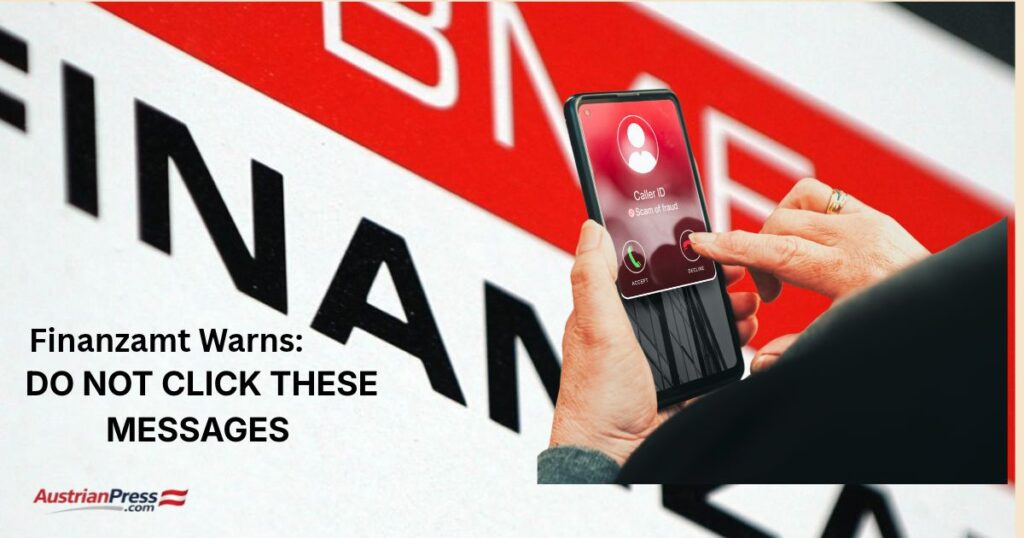
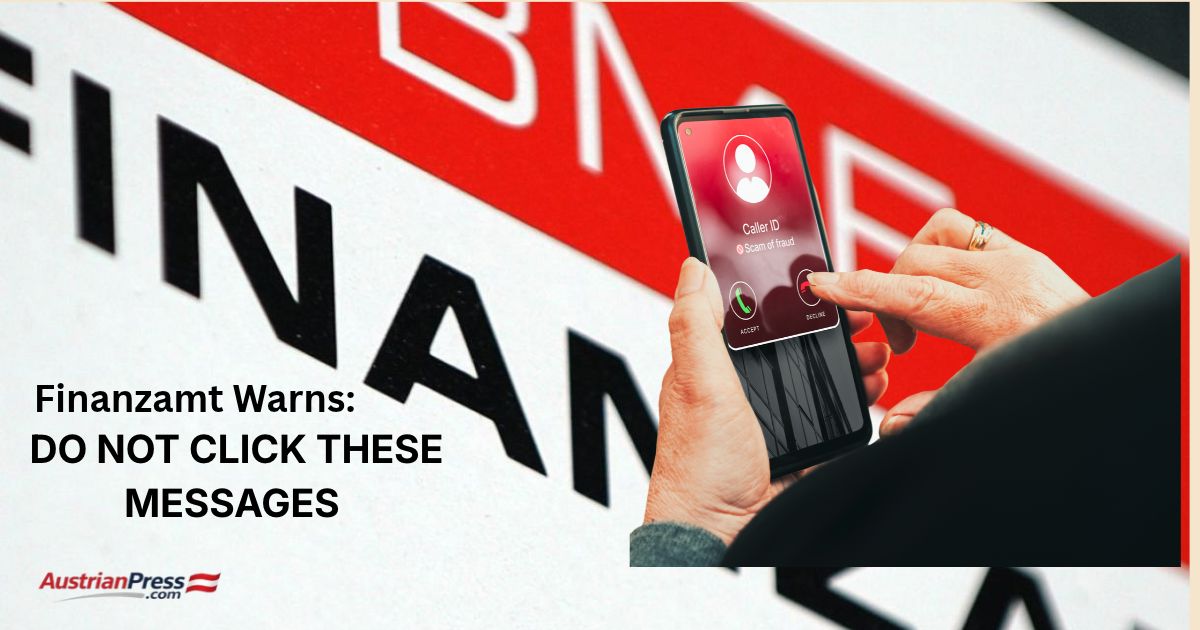
VIENNA – Austria’s Ministry of Finance has issued an urgent warning about a wave of increasingly sophisticated fraud attempts involving fake messages, fraudulent phone calls and counterfeit websites designed to steal personal data and trick victims into making payments.
According to the ministry, cybercriminals are currently impersonating government authorities to target both private citizens and businesses. Fraudsters are using a variety of channels, including text messages, emails, messenger services, social media platforms and telephone calls.
Officials say the scams have become increasingly professional, with criminals creating convincing copies of official FinanceOnline websites and even distributing forged tax notices. The perpetrators falsely claim to represent the Ministry of Finance, the tax office, customs authorities or the FinanceOnline service.
The fraudulent messages use a range of pretexts to pressure victims into revealing sensitive information. These include promises of tax refunds, claims of outstanding payments accompanied by threats of seizure, requests for FinanceOnline account updates and alleged audits of cryptocurrency assets.
In one particularly deceptive scheme, criminals lure recipients with references to government support payments. Fake emails claim that residents have not yet applied for the 2026 climate bonus and must update their personal details via a link to receive payments ranging from €145 to €400.
Another scam targets families by claiming that bank account details must be urgently confirmed due to alleged data misuse. The messages warn that future family benefit payments could otherwise be jeopardized.
The Ministry of Finance stressed that all such messages and websites are fraudulent. Official communications from the ministry are delivered through digitally signed notices, either by post or via the FinanceOnline data box.
“The Ministry of Finance never asks citizens or businesses to provide personal information such as passwords, credit card details or bank account information,” the ministry said.
Authorities advise recipients not to respond to suspicious requests, to delete questionable messages immediately and to end suspicious phone calls without delay. Citizens are also urged not to click on links or open attachments contained in such communications.
Anyone in doubt should independently look up the official contact details of the relevant authority and verify the request directly with the agency, the ministry said.
The warning comes amid growing concerns over cybercrime and phishing attacks, with fraudsters increasingly exploiting trusted government institutions to gain access to sensitive financial and personal information. Officials are urging the public to remain vigilant and to verify any unexpected communications claiming to originate from tax or government authorities before taking any action.
- source: heute.at/picture:



This post has already been read 75 times!